


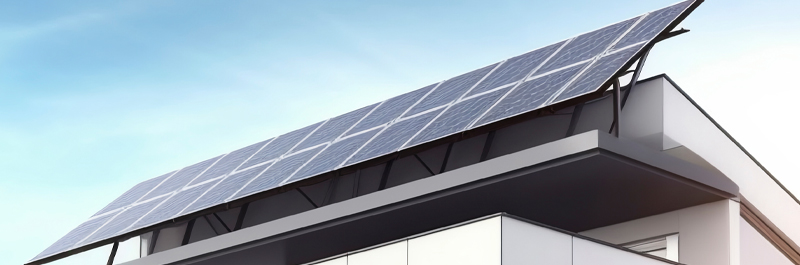
Residential Solar Panel Installation
With rising electricity costs and growing environmental awareness, installing a residential solar panel system has become one of the smartest investments for homeowners across India. Solar power not only helps you cut down your monthly energy bills but also increases energy independence and contributes to a greener future.
In this guide, we’ll break down everything you need to know about residential solar panel installation — including types of systems, benefits, installation process, government incentives, costs, and how to choose the right provider for your home.
What is Residential Solar Panel Installation?
Residential solar panel installation refers to installing a grid-connected or off-grid solar power system on your home rooftop or property to generate electricity using sunlight. These systems convert solar energy into usable electrical power, reducing your reliance on grid electricity and lowering household energy costs.
Solar systems can be installed on rooftops, ground mounts (if space is available), or on carports — making them adaptable to different home settings.
Benefits of Installing Solar Panels at Home
Installing solar panels for your home comes with multiple advantages — both financial and environmental:
1. Lower Electricity Bills
Solar panels generate electricity from sunlight — meaning your home depends less on expensive grid power. As a result, many homeowners see significant reductions in their monthly energy bills.
2. High Return on Investment (ROI)
While the initial investment can seem substantial, solar systems often pay for themselves within 3–6 years through savings on energy costs.
3. Clean and Sustainable Energy
Solar power is a renewable and clean energy source. By switching to solar panels, you reduce your carbon footprint and contribute to a more sustainable environment.
4. Energy Security
Solar panels help protect your home from grid fluctuations and rising energy tariffs. In some cases, with battery backup, you can even secure your home power through outages.
5. Increased Property Value
Industrial facilities equipped with solar installations are viewed as more valuable assets — they offer lower operating costs and improved long-term sustainability, making them attractive to investors.
Types of Residential Solar Panel Systems
There are mainly three types of solar power systems suitable for homes:
» On-Grid Solar System
An on-grid solar system is connected to the electricity grid. It uses solar power during the day and draws from the grid when needed. Extra energy generated can be fed back to the grid via net metering, lowering your overall electricity bill.
» Off-Grid Solar System
Off-grid systems are not connected to the electricity grid and rely on battery storage to provide power round the clock. These are ideal for homes in remote areas with unreliable grid connections.
» Hybrid Solar System
Hybrid solar systems combine on-grid capabilities with battery backup. They offer the best of both worlds — seamless power supply and the ability to store extra energy for later use.
How Residential Solar Panels Work
Solar panels capture sunlight using photovoltaic (PV) cells and convert it into DC electricity. An inverter then converts this DC into usable AC power for your home appliances. Here’s a simplified workflow:
- Solar panels absorb sunlight
- Solar inverter converts DC to AC electricity
- Electricity powers home loads
- Excess energy (in on-grid systems) gets exported to the grid
- Net metering credits help reduce bills
Components of a Home Solar Power System
A typical residential solar installation includes:
- Solar Panels: Capture sunlight and generate electricity
- Solar Inverter: Converts DC to AC power
- Mounting Structure: Secures panels to the rooftop
- Battery (optional): For energy storage in off-grid or hybrid systems
- Net Metering & Monitoring System: Tracks production & savings
Government Incentives & Subsidies in India
The Government of India promotes residential solar power through various incentives:
» Central & State Subsidies
Under the Ministry of New and Renewable Energy (MNRE) and State Solar Policies, homeowners may be eligible for capital subsidies that reduce installation costs — especially for systems up to 3 kW or 10 kW.
» Net Metering Benefits
Net metering policies allow you to export surplus solar energy to the grid in exchange for credits — reducing your electricity bills further.
» GST Benefits
Residential solar installations often qualify for concessional GST rates, improving the overall savings. These incentives make residential solar a financially attractive proposition for homeowners.
Residential Solar Panel Installation Process
Here’s how the installation process typically works:
1. Site Inspection & Load Assessment
A solar expert visits your home to assess your rooftop, load requirements, and shading patterns.
2. Customized System Design
Based on your energy usage and roof space, a tailored system design is prepared.
3. Approvals & Paperwork
Your solar partner handles grid approvals, net-metering applications, and compliance paperwork.
4. Installation
Certified technicians install the panels, inverter, and all electrical connections.
5. Commissioning & Testing
After installation, the system is tested and synchronized with the grid (for on-grid systems).
6. Monitoring & After-Sales Support
Remote monitoring and periodic servicing help ensure optimal performance and long-term efficiency.