

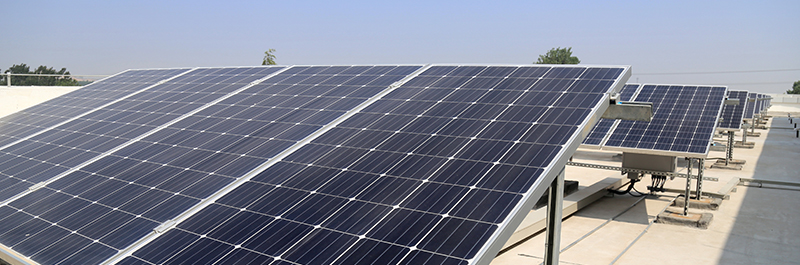
Industrial Solar Panel Installation
In today’s competitive business environment, rising electricity costs and unreliable grid power are major challenges for industries across India — especially in energy-intensive sectors like manufacturing, textiles, food processing, logistics, and warehousing. Installing an industrial solar panel system is one of the smartest investments you can make to reduce energy costs, improve operational reliability, and achieve sustainability goals.
In this comprehensive guide, we’ll walk you through everything you need to know about industrial solar panel installation — from benefits and costs to system types, government incentives, and how to choose the right solar EPC partner for your business. .
Why Industrial Solar Panel Installation Matters for Businesses
Industrial solar systems are becoming essential for modern businesses due to a combination of economic and environmental factors. Here’s why industries of all sizes are switching to solar:
Significant Cost Savings
Large facilities consume massive amounts of electricity, leading to high monthly expenses. Solar panels help businesses generate their own power, reducing dependency on grid electricity and lowering bills substantially — often by up to 70-80% over time.
Higher ROI & Faster Payback
Although the initial investment for an industrial solar plant is significant, most systems deliver a return on investment (ROI) in just 3–5 years, after which your electricity essentially becomes free for the next 20+ years.
Stable & Reliable Power Supply
Solar power increases energy security by reducing vulnerability to grid outages and peak demand charges — a critical advantage for factories where downtime impacts productivity.
Enhanced Sustainability
By generating clean energy, your business reduces carbon emissions and boosts its environmental credentials. This not only supports corporate ESG targets but can also strengthen brand reputation with customers and partners.
Increased Property & Asset Value
Industrial facilities equipped with solar installations are viewed as more valuable assets — they offer lower operating costs and improved long-term sustainability, making them attractive to investors.
Types of Industrial Solar Panel Systems
Choosing the right solar configuration depends on your operational needs and budget. Here are the main types:
» On-Grid Solar Systems
Large facilities consume massive amounts of electricity, leading to high monthly expenses. Solar panels help businesses generate their own power, reducing dependency on grid electricity and lowering bills substantially — often by up to 70-80% over time.
» Off-Grid Solar Systems
Off-grid solar includes battery storage and is suited for remote facilities or sites with frequent power disruptions. While initial costs are higher due to batteries, this setup ensures energy independence.
» Hybrid Solar Systems
These combine on-grid and off-grid features — offering solar power with battery backup while still connected to the utility grid for maximum reliability. It’s ideal for operations requiring 24×7 power continuity.
Key Components of an Industrial Solar Installation
An industrial solar plant consists of several essential parts:
- Solar Panels (PV Modules) – High-efficiency monocrystalline or bifacial panels for maximum energy generation.
- Inverters – Convert solar DC power into usable AC power.
- Mounting Structures – Heavy-duty steel or aluminum frames to secure panels.
- Monitoring & Control Systems – Track system performance in real time.
- Balance of System (BoS) – Cables, breakers, safety devices, and other electrical accessories.
Government Incentives & Financial Benefits
Installing industrial solar panels comes with attractive financial incentives, especially when planned strategically:
» Accelerated Depreciation
Under the Indian Income Tax Act, companies can claim up to 40% accelerated depreciation in the first year, significantly lowering taxable income.
» Subsidies & Support
State governments like Tamil Nadu also offer capital subsidies, net metering support, and duty exemptions to promote solar adoption — making projects more affordable.
» GST & Tax Advantages
Solar equipment may qualify for concessional GST rates and other tax benefits, improving project economics and payback periods.
How Industrial Solar Panel Installation Works
Here’s a simplified step-by-step overview of the installation process:
1. Site Audit & Assessment
A detailed energy audit checks roof/ground area, shading, load patterns, and future expansion potential.
2. Custom System Design
Solar EPC experts design an optimized layout based on your energy needs and available space.
3. Approvals & Permits
Your installer will handle grid approvals, DISCOM permissions, and compliance paperwork.
4. Professional Installation
Expert technicians mount the panels, electricals, and monitoring systems — ensuring safety and efficiency.
5. Commissioning & Testing
Expert technicians mount the panels, electricals, and monitoring systems — ensuring safety and efficiency.
6. Ongoing Maintenance & Support
Expert technicians mount the panels, electricals, and monitoring systems — ensuring safety and efficiency.